



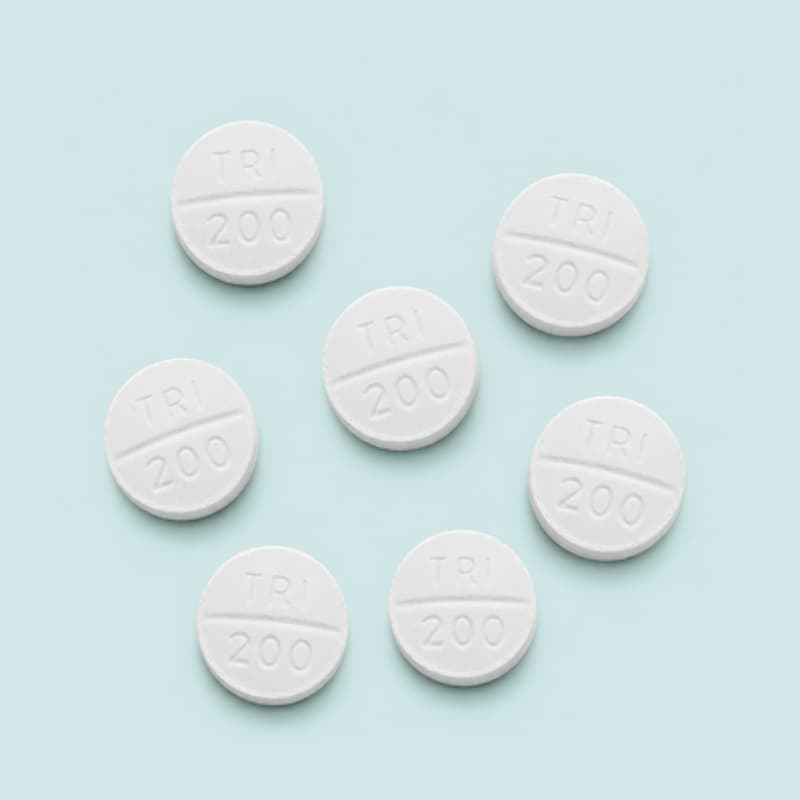
Advice for Cystitis
Most cases of cystitis are caused by bacteria from the digestive system (such as E. coli) accidentally entering the bladder. Risk factors include pregnancy, being sexually active, going through menopause, or using certain types of contraception like diaphragms. While many people experience "acute" cystitis that clears up quickly, others may deal with recurrent bouts—defined as two infections in six months or three in a year—which may require a deeper look into underlying causes by a healthcare professional.
Most cases of cystitis are caused by bacteria from the digestive system (such as E. coli) accidentally entering the bladder. Risk factors include pregnancy, being sexually active, going through menopause, or using certain types of contraception like diaphragms. While many people experience "acute" cystitis that clears up quickly, others may deal with recurrent bouts—defined as two infections in six months or three in a year—which may require a deeper look into underlying causes by a healthcare professional.
.webp&w=256&q=75)

.webp&w=256&q=75)