



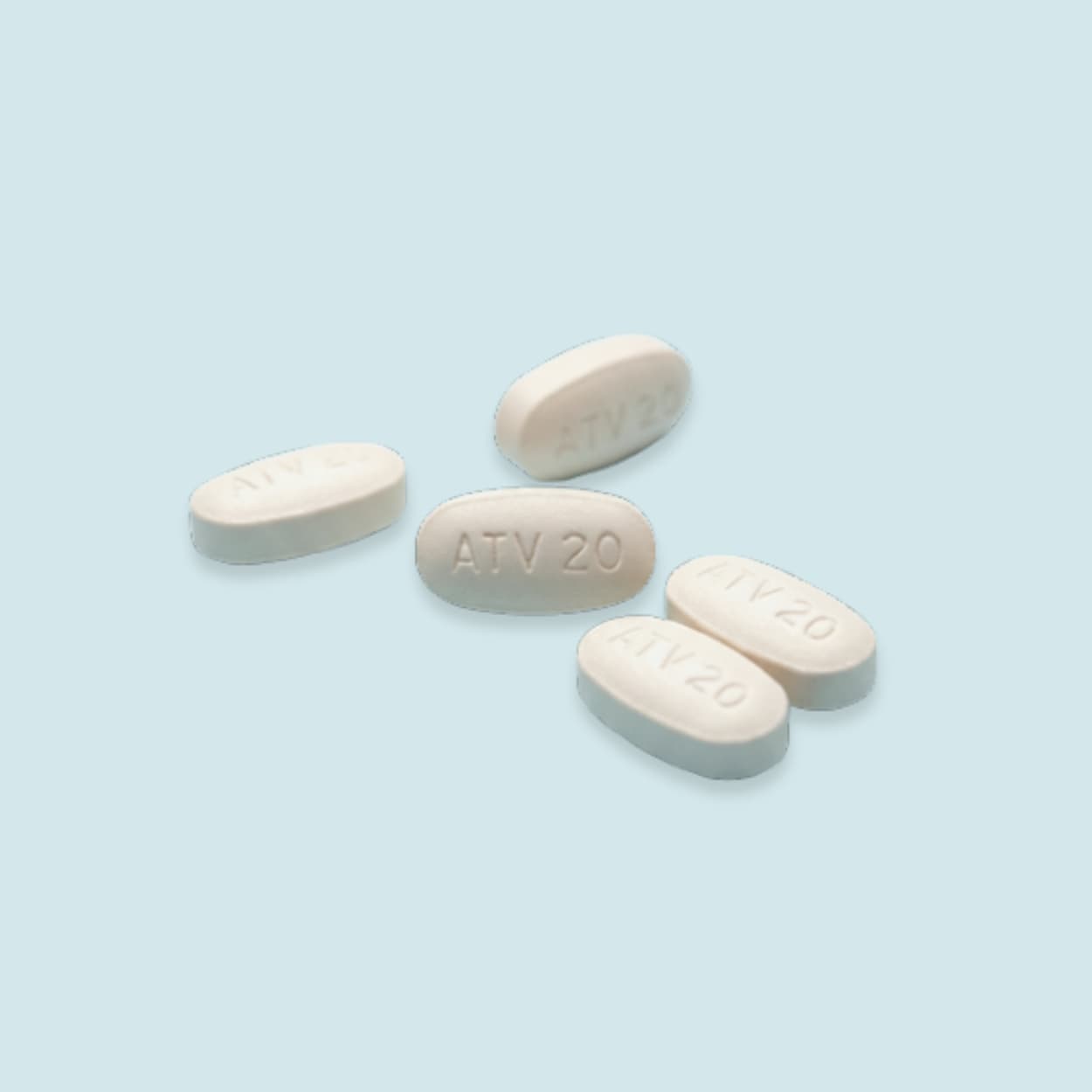
.webp&w=256&q=75)

.webp&w=256&q=75)



High cholesterol can be managed and controlled with a healthy lifestyle and medication, but it requires long-term management to prevent complications.
Advice for High Cholesterol
High cholesterol does not typically cause noticeable symptoms, which is why it is often called a "silent condition". However, if left untreated, it can contribute to conditions such as heart disease and stroke, which may present with:
- Chest pain (angina)
- Shortness of breath
- Fatigue
- Leg pain (due to blocked arteries in the legs)
- Xanthomas (fatty deposits visible on the skin, usually around the eyes or joints)
As symptoms only appear when cholesterol has caused significant arterial damage, routine screening is necessary for early diagnosis.
High cholesterol does not typically cause noticeable symptoms, which is why it is often called a "silent condition". However, if left untreated, it can contribute to conditions such as heart disease and stroke, which may present with:
- Chest pain (angina)
- Shortness of breath
- Fatigue
- Leg pain (due to blocked arteries in the legs)
- Xanthomas (fatty deposits visible on the skin, usually around the eyes or joints)
As symptoms only appear when cholesterol has caused significant arterial damage, routine screening is necessary for early diagnosis.